
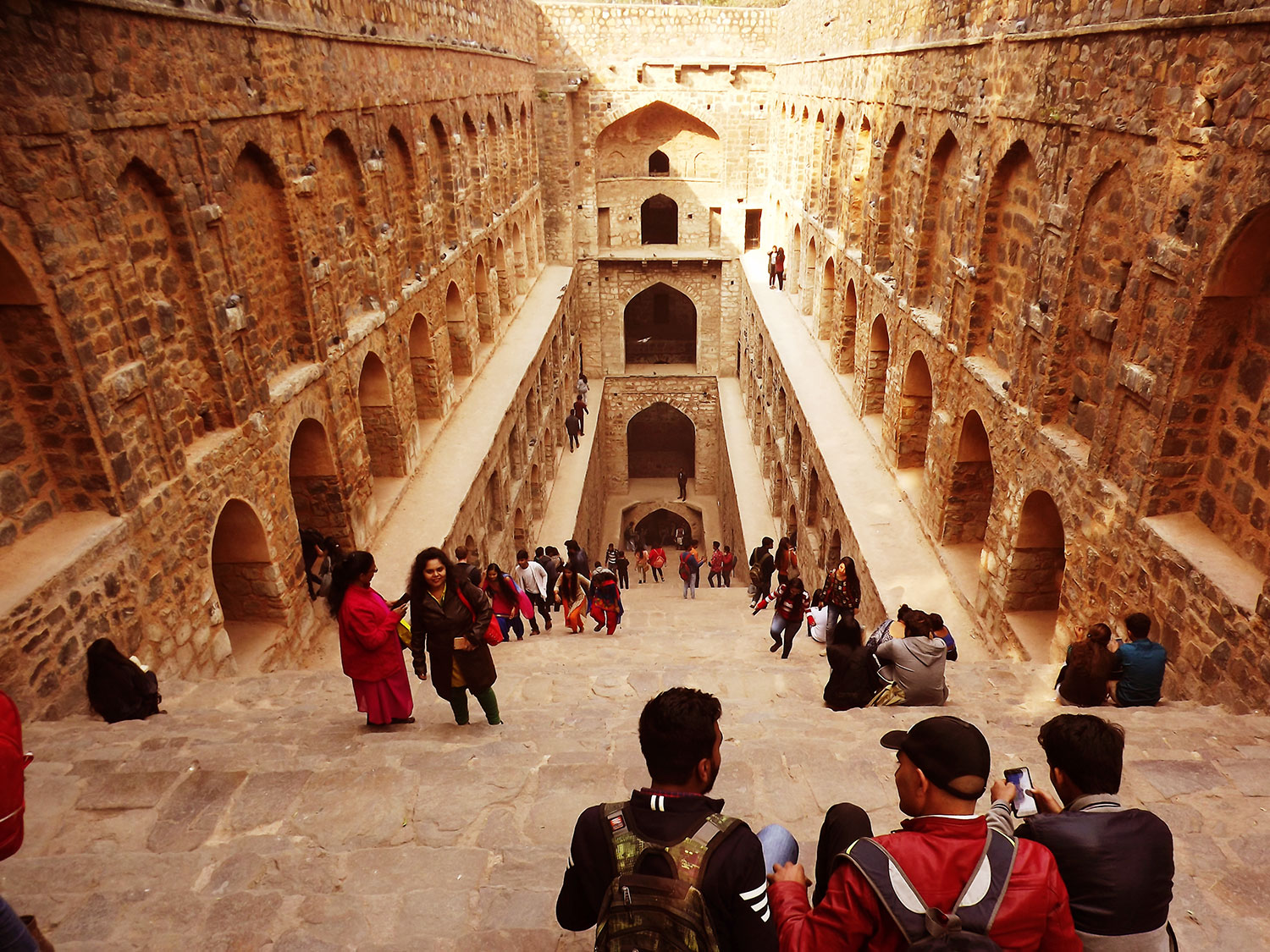
Ugersen Baoli, Delhi’s underground summer retreat.

Built in 14ad by the Agarwal community of Delhi, this stepwell was once essential for surviving the city's hot and dry summers.

Simple architectural sense made the stepwell a favourite refuge for the ancient residents of Delhi, during the dry and intense heat of summer. Dug deep into the earth to tap subterranean groundwater, the stepwells were built in levels (usually with a series of steps descending down and occasionally ramps and underground open chambers) to be a reservoir of year-round fresh water, rainwater harvesting and a great hangout spot to cool off during hot afternoons.
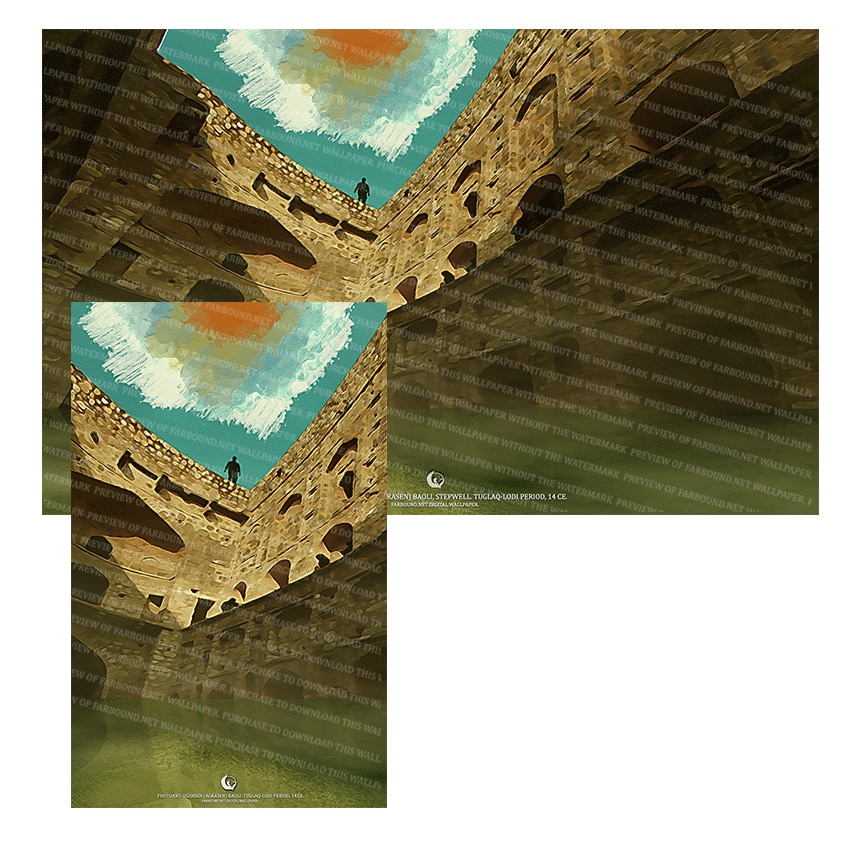
Farbound.Net Digital Wallpapers: Showing a photoart presentation of the Ugersen Baoli.

Wallpapers by Farbound.Net

Men gathered around on its banks to relax, chat, talk business, and snooze. Women used them to fetch water for daily use, bathing and washing. Children played on their steps. Important ceremonies took place near them. Funded by kings and rich communities, the wells locally known as Baolis, were for centuries an integral part of the life of ancient Delhi. Now, they are an indispensable part of the five thousand-year-old city’s unforgettable heritage.

The Ugersen Baoli is located on Hali Road, Connaught Place in New Delhi, India.

Popular in History

Wars of Humayun.

A list of battles of the second Gurkani emperor Humayun.

What's new

Indulge

Browse and Buy

More Stories

Heave-ho-for a living: Coolies, professional luggage bearers.

Coolies are a professional corp of Indian luggage bearers

The Himalayan temple of Shirgan Naga at Bhanara.

Temple of a serpent deity who has his own unique legend in Himalayan mythology.

Tagore Hill: The hill of poets and playwrights.

A wooded hill that once was the property of a Bengali playwright.

Indraprasta, home of the mighty Pandavas. Did the city actually exist?

The old fort is thought by some to be the site on which once stood the fabled city of Indraprasta

The pot bellied lord of wealth: Kubera, king of the Yakshas and guardian of treasures.

Produced in the 2nd century, the sculpture comes from the Mathura school of art.
Siddhartha Mukherjee
Siddhartha Mukherjeehttps://farbound.net
I believe in the wisdom of self-reliance, the moral philosophy of liberalism, and in individualism. When not researching and writing editorial content or creating digital products, I spend my time with my dogs and live a life of solitude.

LEAVE A REPLY

Please enter your comment!
Please enter your name here

Featured Stories

How the Bengal army came to be an army of robust Sepoys.

Delving into the fascination of populating the Bengal army with impressive Prussian type native Sepoys.