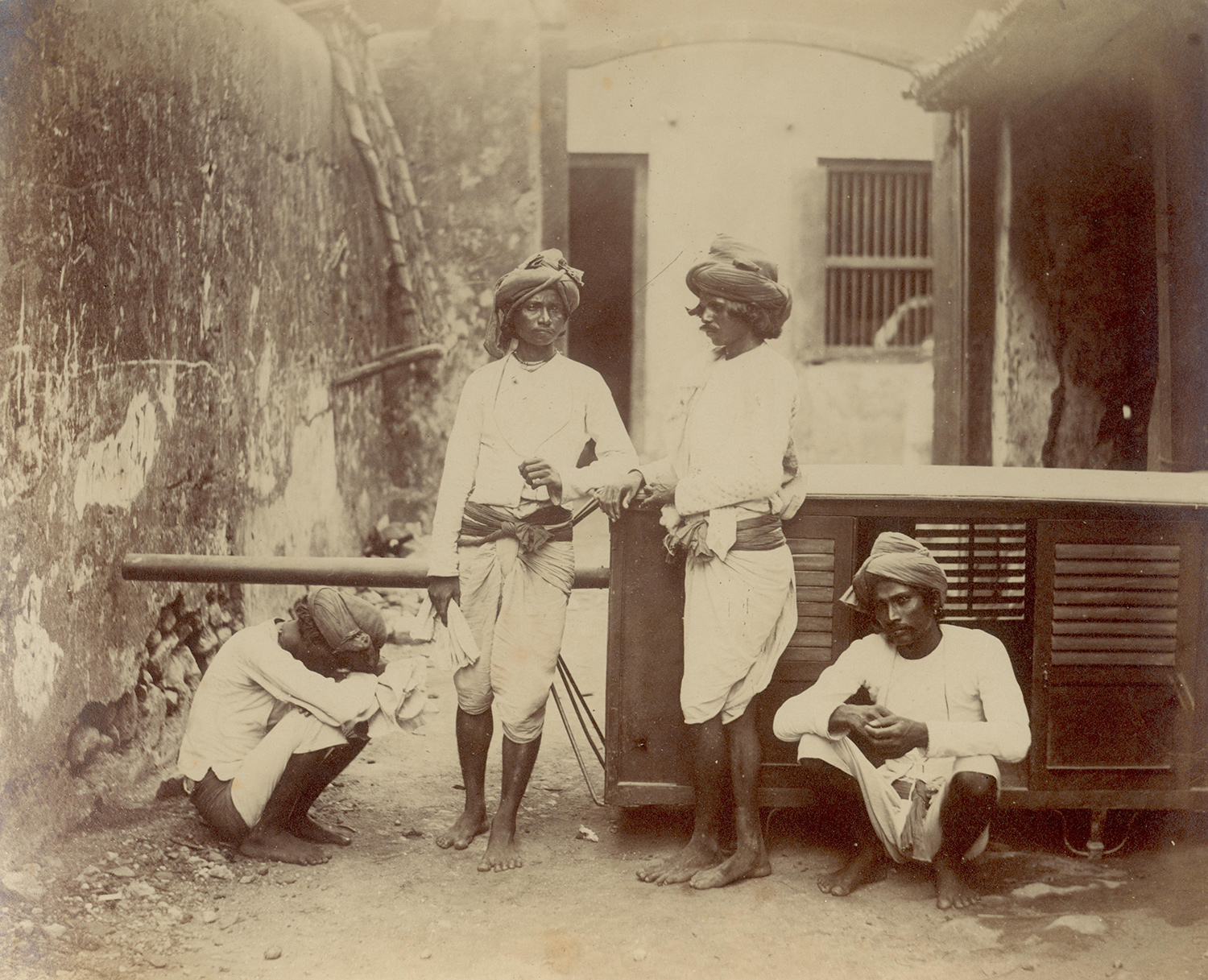

Yesteryear palanquin bearers appear tired and bored in this photo produced by William Johnson with a daguerreotype box camera, in 1856.
Dressed in their traditional attire of cotton dhotis wrapped tight around the knees, the turban clad bearers were Hindu by religion and hailed from the lower strata of Hindu society. They were perhaps waiting to be hired or for a passenger to return.
William Johnson, one of the earliest photographers in India.
Counted among British India’s earliest known photographers, Johnson was both a photographer and a documentarian. A civil servant with the East India Company, he had arrived in British India in 1848, and when not engaged in dispensing his duties as a clerk had roamed the dusty roads of Western India, documenting its life and people.
His passion for photography had led him to establish a photo studio at Grant Road in Bombay in 1852 and found the Bombay Photographic Society in 1854. He is also known to have produced his own daguerreotypes and albumen silver prints.
William Johnson’s ethnological style of photography.
Though Johnson was never officially assigned by the British Indian Government to document the people for ethnological study, he, nonetheless, had spent a good many years of his life photographing the different races that inhabited Western India by their appearance, dress codes, religion, profession and caste.
While serving as the secretary of the Bombay Photographic Society and co-editor of its monthly journal, he had in collaboration with fellow photographer William Henderson produced a photo collection known as the Indian Amateur’s Photographic Album – and in which is to be found this photo of Bombay’s yesteryear palanquin bearers.
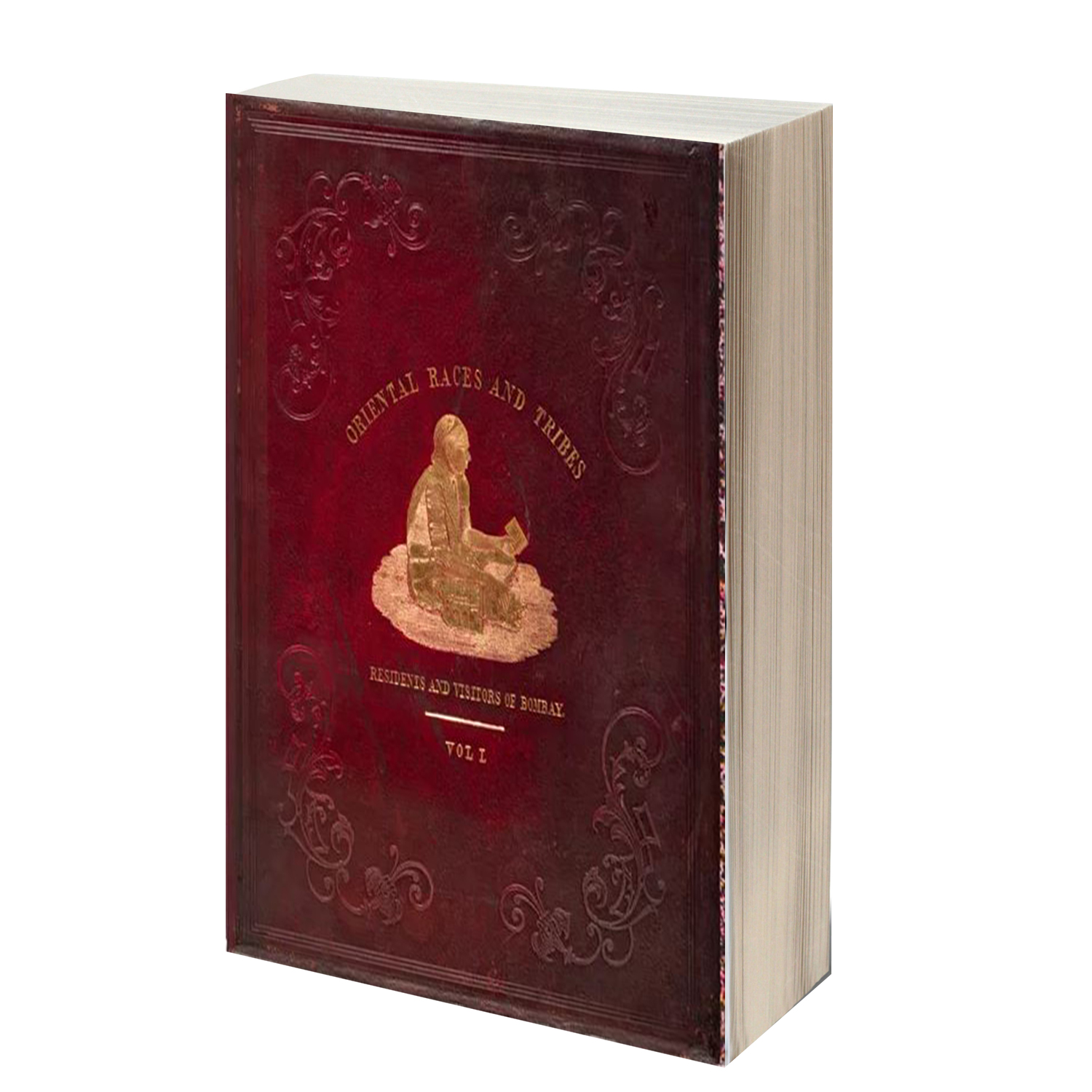
Johnson also produced several other collections, famous among which is a collection titled Photographs of Western India and The Oriental Races and Tribes, Residents and Visitors of Bombay – the latter being a series of photographs with letter press descriptions. His photos are now noted for their ethnological nature -especially for their focus on people, culture and landscapes.
The Photo.
This photo by Johnson is archived at theLeiden University Library,in the Netherlands. It comes a collection of photos titled the Indian Amateur’s Photographic Album, published by the Bombay Photographic Society between 1854-58.
The original caption attached with the photo reads: Men next to a sedan (sic, actually a palanquin) at Bombay, British India.
I F I This is an independent story produced to shed light on this Vintage Photo produced by William Johnson in 1856. William Johnson was a civil servant in Bombay and a daguerreotype photographer. It has been created from facts curated from literary sources and historical documents. I